01
01 —
LEARN
Understand the stories, ideas, languages and traditions that form our cultural heritage.
01
↗

Creating meaningful opportunities for the next generation and families to learn, experience and carry forward our cultural heritage and values.
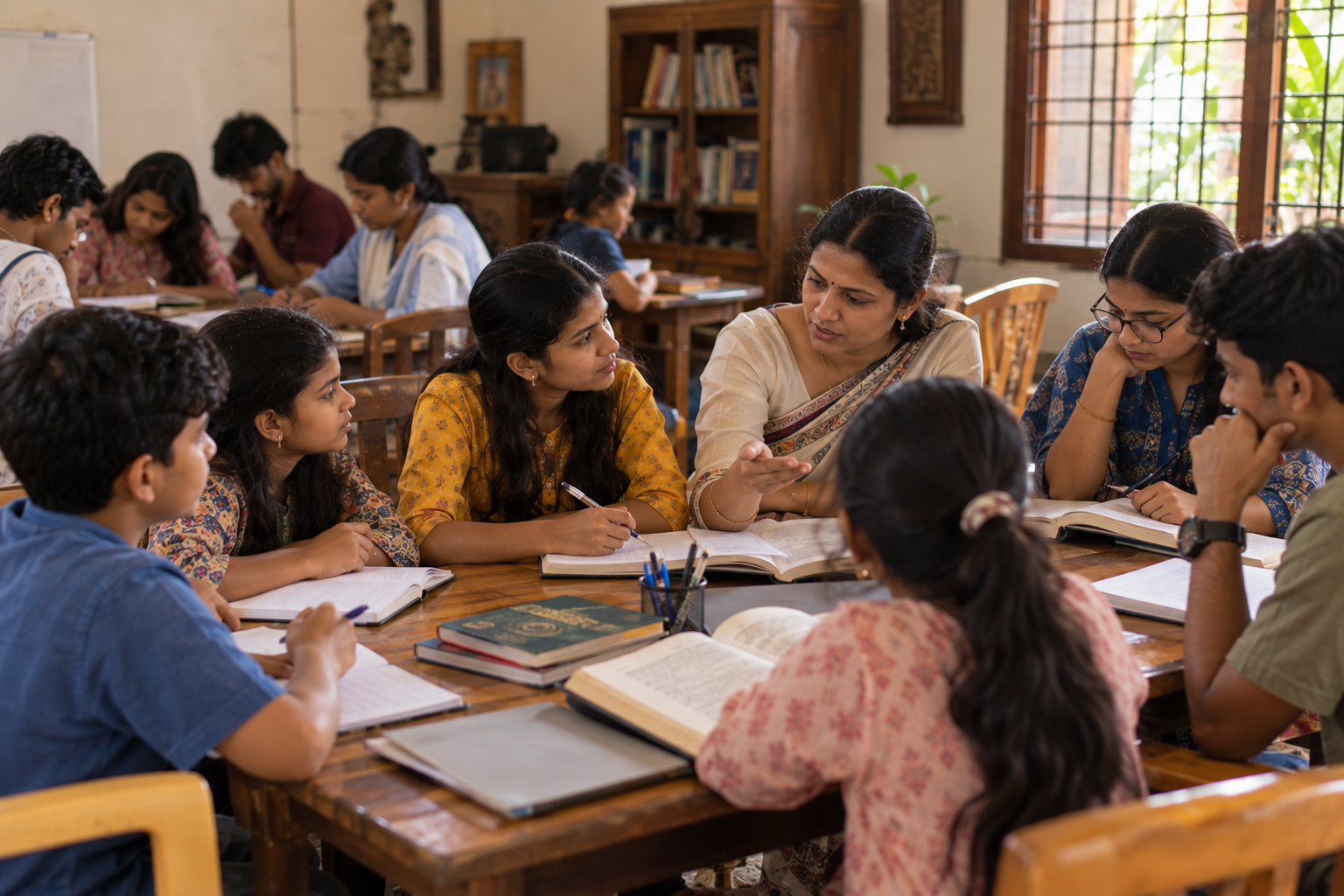
SANSKRITI is VBN's platform for learning and experiencing the knowledge, traditions and values that have shaped generations.
But the goal is not simply to memorize them.
Through classes, study circles, workshops, cultural activities and family programmes, SANSKRITI encourages meaningful engagement with our heritage.
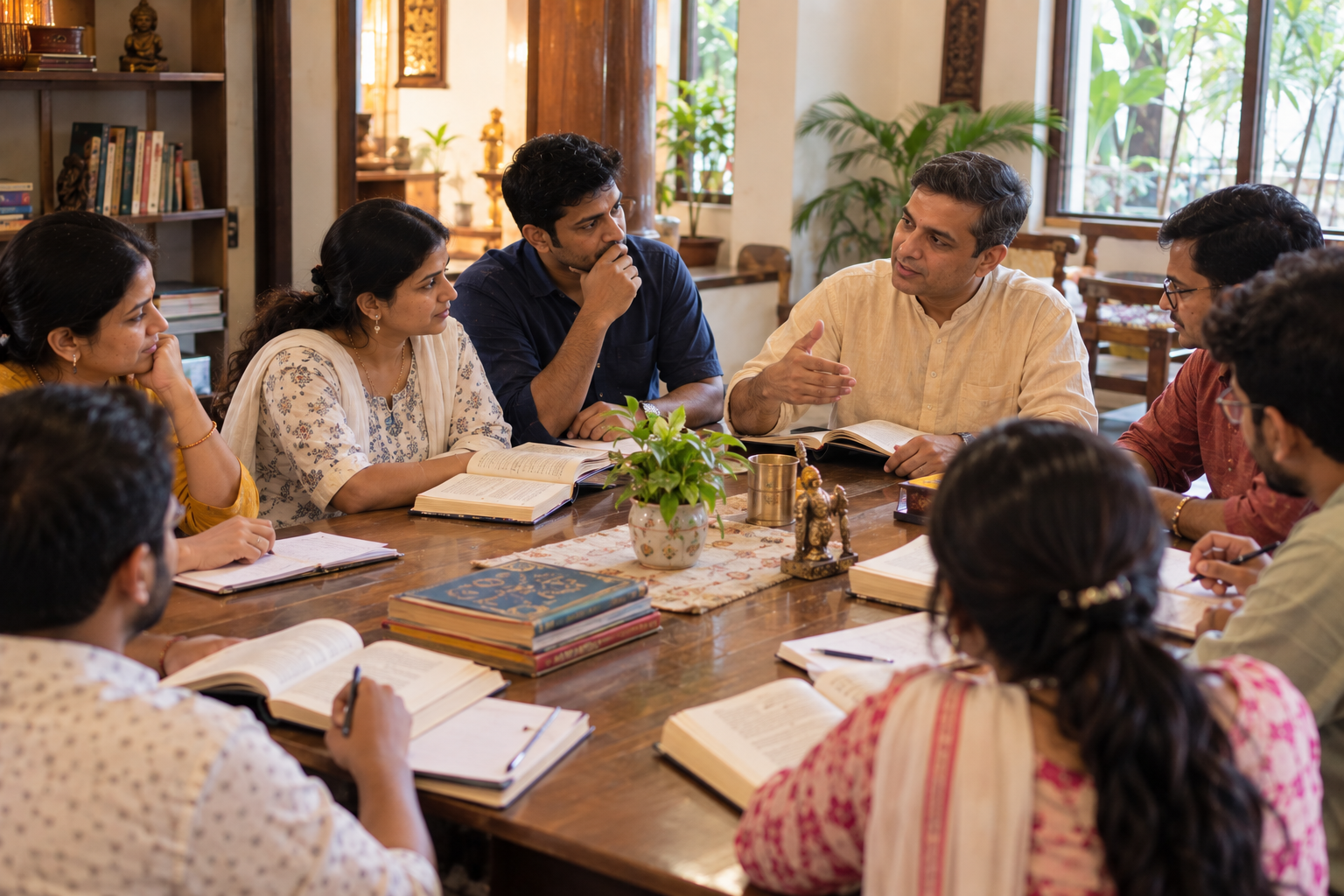
The Bhagavad Gita offers a rich foundation for conversations around duty, responsibility, action, discipline, decision-making and inner balance.
SANSKRITI study circles can provide a welcoming environment where participants explore selected teachings through guided discussion and practical reflection.
Explore Sanskrit and other traditional languages through accessible learning sessions, conversations and guided practice.
Discover stories, ideas and lessons from our cultural heritage through engaging conversations and interactive sessions.
Experience the meaning behind festivals through celebrations, activities, storytelling and community participation.
Create meaningful opportunities for children, youth and adults to learn, participate and connect across generations.
Sanskrit is not simply an ancient language.
It is a doorway into a vast body of Indian literature, philosophy, poetry, scriptures and knowledge traditions.
Some things are better experienced than explained.
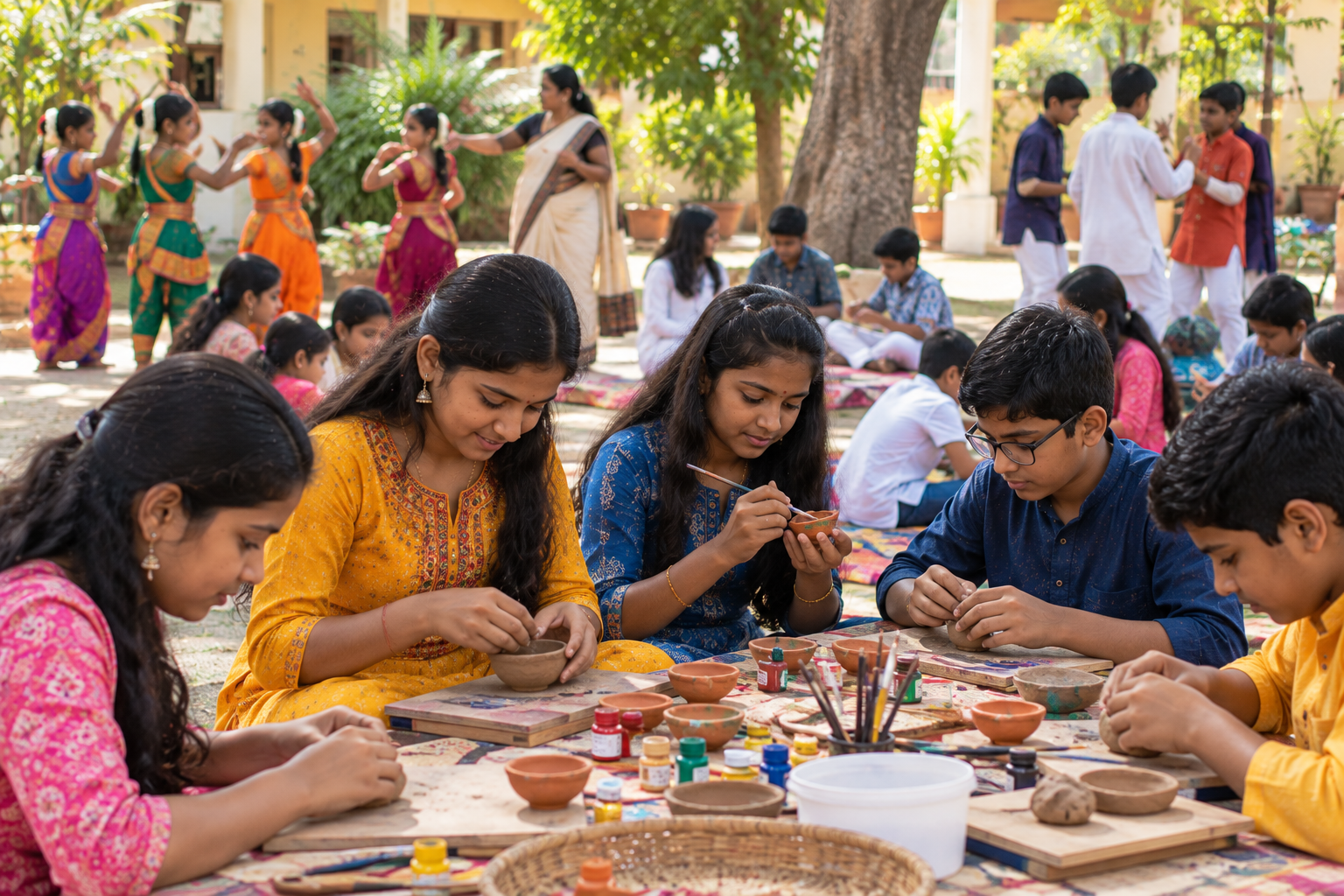
Cultural camps can bring together children and young people through a combination of meaningful activities that make cultural learning active, social and memorable.
To make cultural learning engaging, memorable and age-appropriate.
Dharma can be explored through the questions we face in everyday life.
Questions about responsibility, relationships, integrity, service and the choices we make.
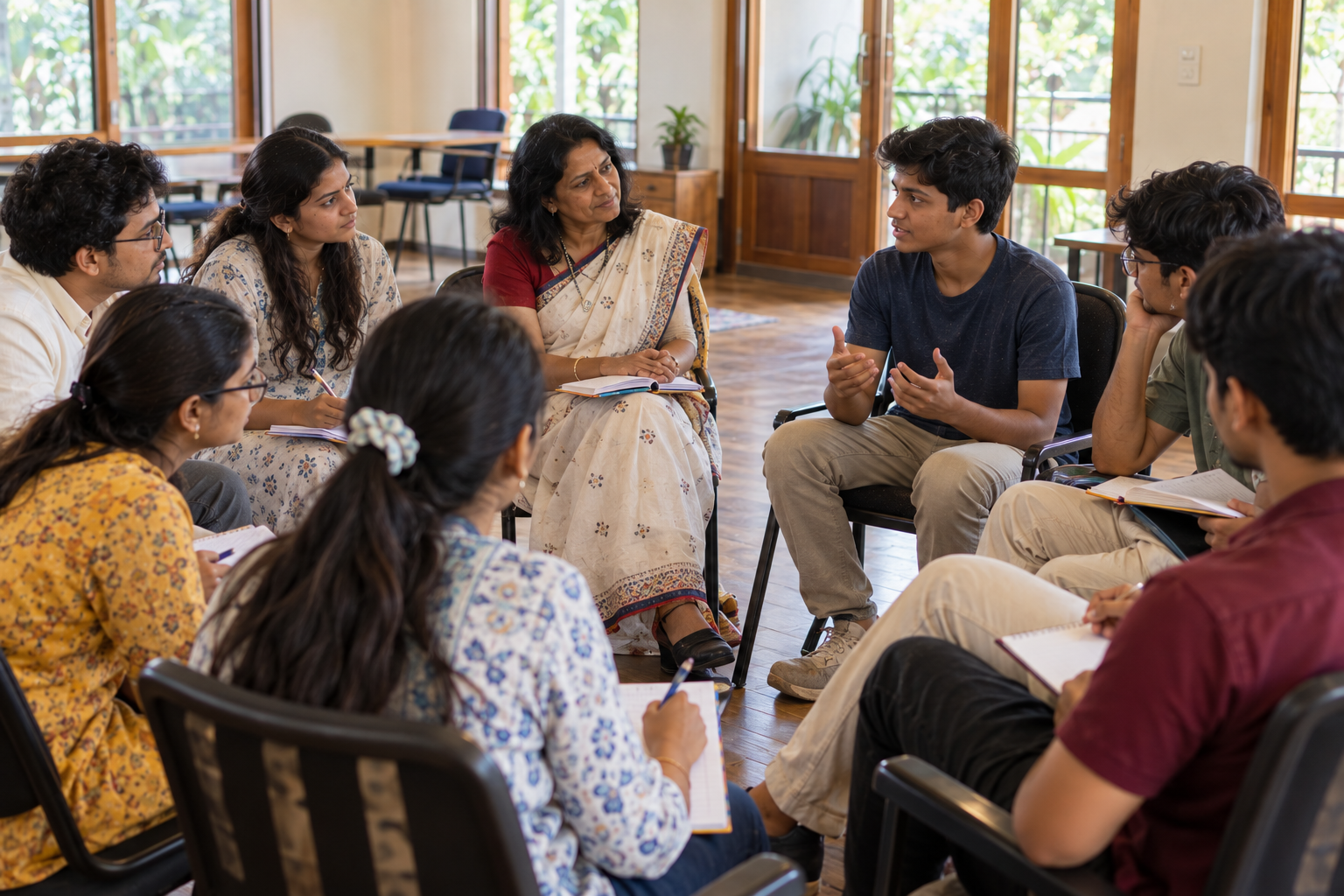
SANSKRITI workshops can create thoughtful, age-appropriate conversations around these questions using stories, teachings, real-life situations and discussion.
Practical conversations around values that influence everyday choices, relationships and responsibilities.
Understanding how values shape the person we become.
Learning to understand and own our responsibilities.
Doing what is right even when choices are difficult.
Exploring what it means to contribute and serve others.
Understanding people, perspectives and relationships.
Building consistency, patience and personal responsibility.
Exploring relationships, responsibilities and shared values.
Learning to think before choosing how to act.
Children don't need complicated lectures about culture.
They need stories, experiences, questions and memories.
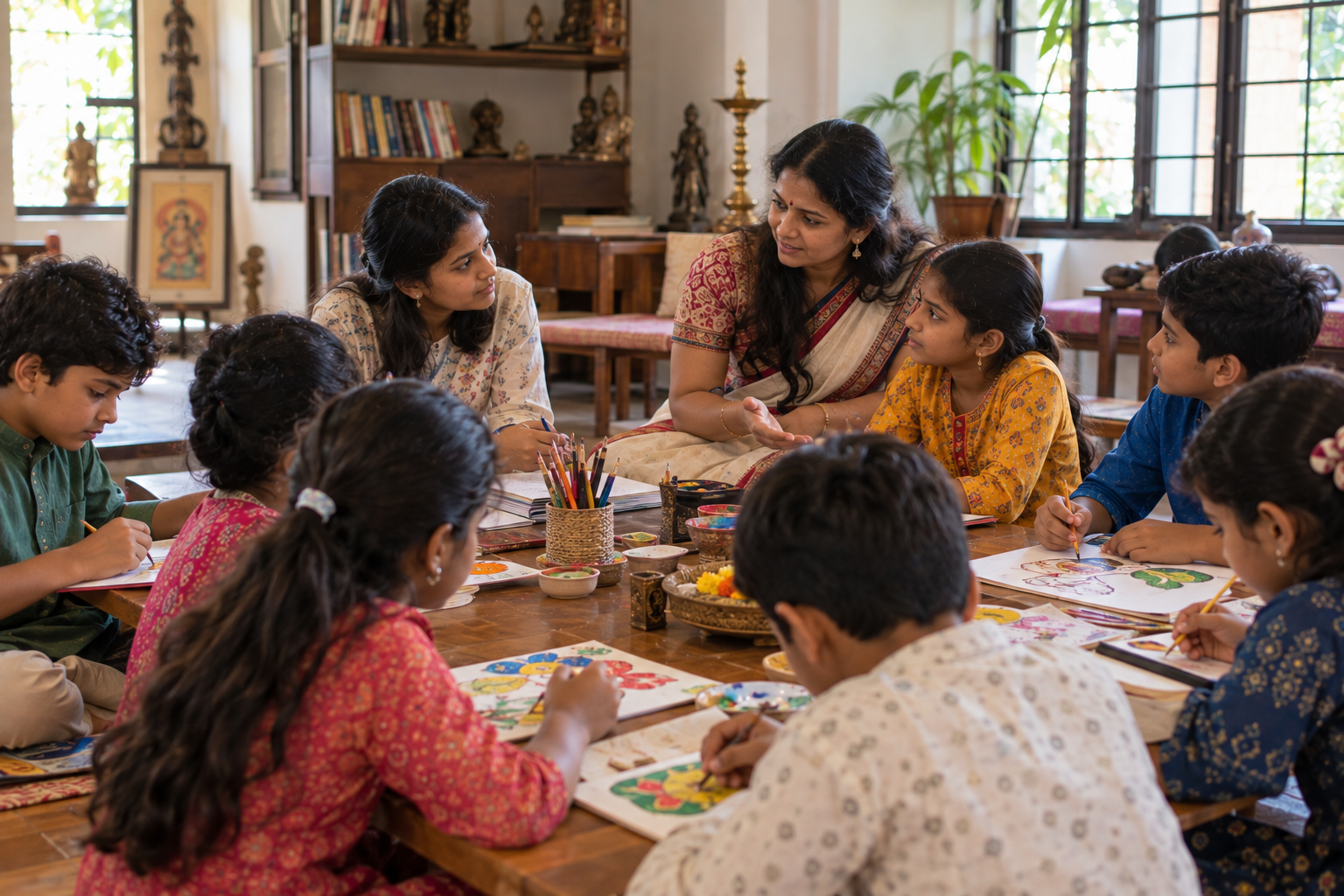
Stories from Indian traditions and literature.
Learning pronunciation, meaning and context.
Understanding the meaning behind celebrations.
Respect, responsibility, gratitude and compassion.
Exploring traditional art, music and creative activities.
Introduction to Sanskrit and Indian languages.
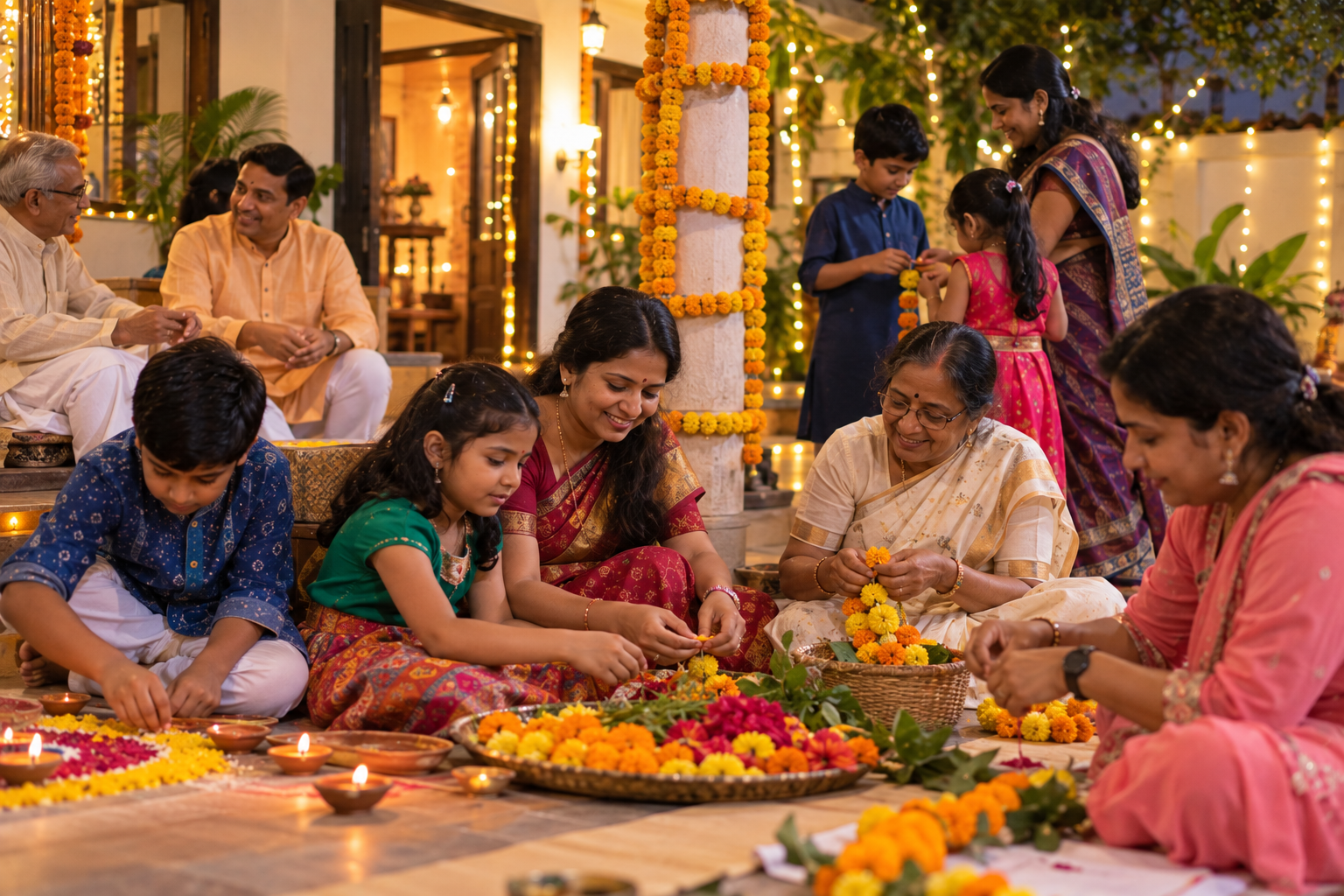
SANSKRITI can organise age-appropriate cultural experiences around festivals and important occasions, bringing together learning, participation and family connection.
Discover the stories, people and ideas behind each celebration.
↗Explore traditional creative expressions through hands-on activities.
↗Experience sounds, rhythms and musical traditions connected with celebrations.
↗Turn cultural learning into engaging experiences through participation.
↗Explore the stories, ingredients and traditions associated with festive food.
↗Create opportunities for generations to participate and celebrate together.
↗Understand the values, history and significance behind important occasions.
↗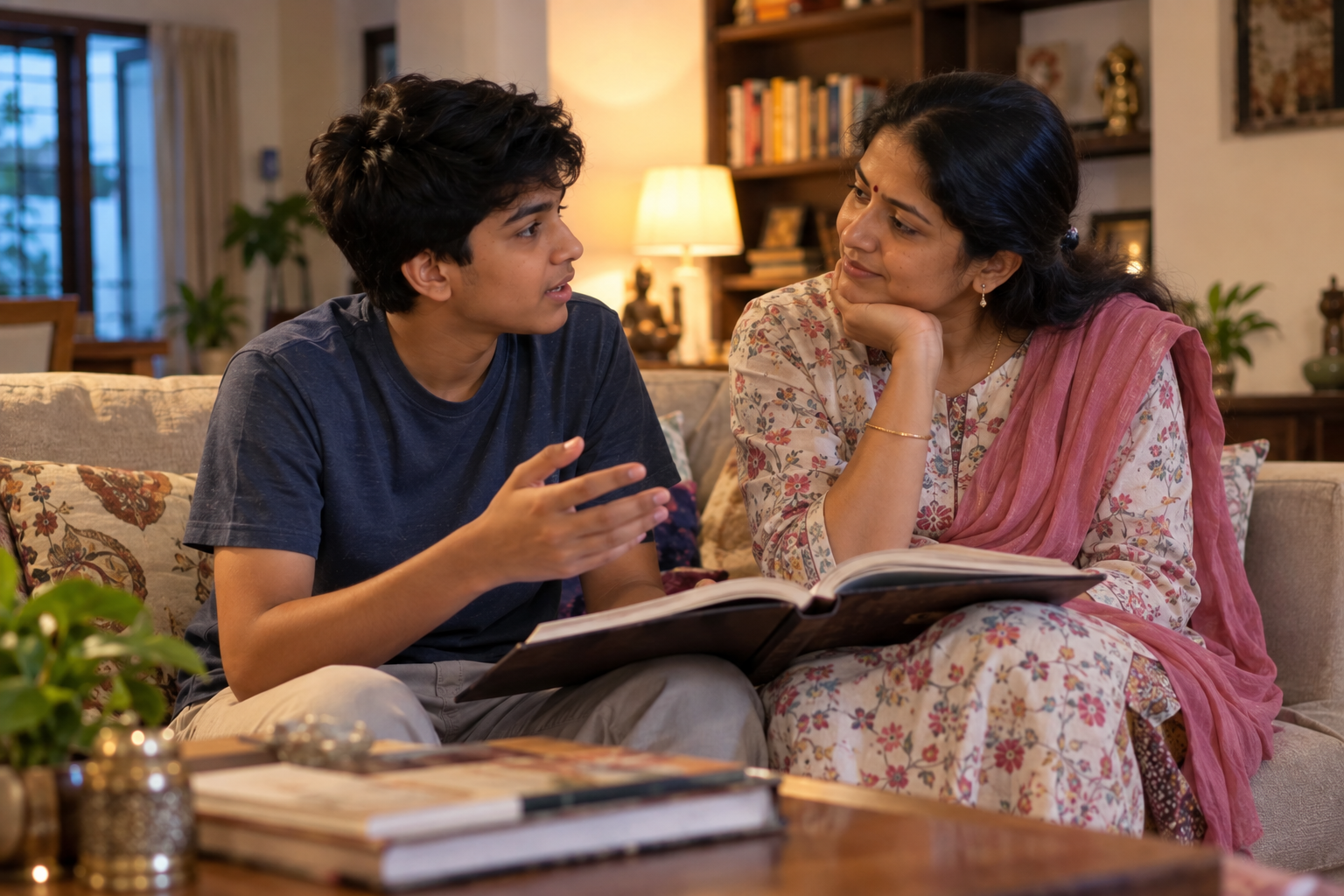
The goal of cultural education is not to keep children disconnected from the modern world.
It is to help them understand where they come from while confidently engaging with where they are going.
Understand heritage, stories, traditions and values.